Imagine walking into the Shark Tank with a product so delicious that Kevin “Mr. Wonderful” O’Leary calls it “spectacular,” but your bank account is so deep in the red that the Sharks are visibly sweating. That is exactly the high-stakes roller coaster Ryan and Lindsey Cunningham strapped themselves into during the Season 11 finale of Shark Tank.
Bringing a plant-based twist to classic comfort food, the husband-and-wife duo behind Rollin’ Greens left the tank with a handshake deal. But what happened after the cameras stopped rolling is a masterclass in breaking the traditional startup rules to survive.
From a 1980 Food Truck to the Shark Tank
The story of Rollin’ Greens actually started way back in 1980, when Ryan’s parents launched Boulder, Colorado’s very first organic food truck. Though the family eventually parked the truck, Ryan (now a professional chef known as “Chef Ko”) and Lindsey resurrected the business in 2011.
The undisputed star of their menu was Chef Ko’s millet tots—a nutrient-dense, protein-packed alternative to potato tater tots made from an ancient grain. Realizing they had a hit on their hands, they traded the food truck for packaged retail, launching frozen millet tots and cauliflower “wings” into major grocery stores like Whole Foods and Wegmans.
When they pitched the Sharks, they were seeking $500,000 for 10% equity.
The Shark Tank Drama: Terrific Taste, Terrifying Margins
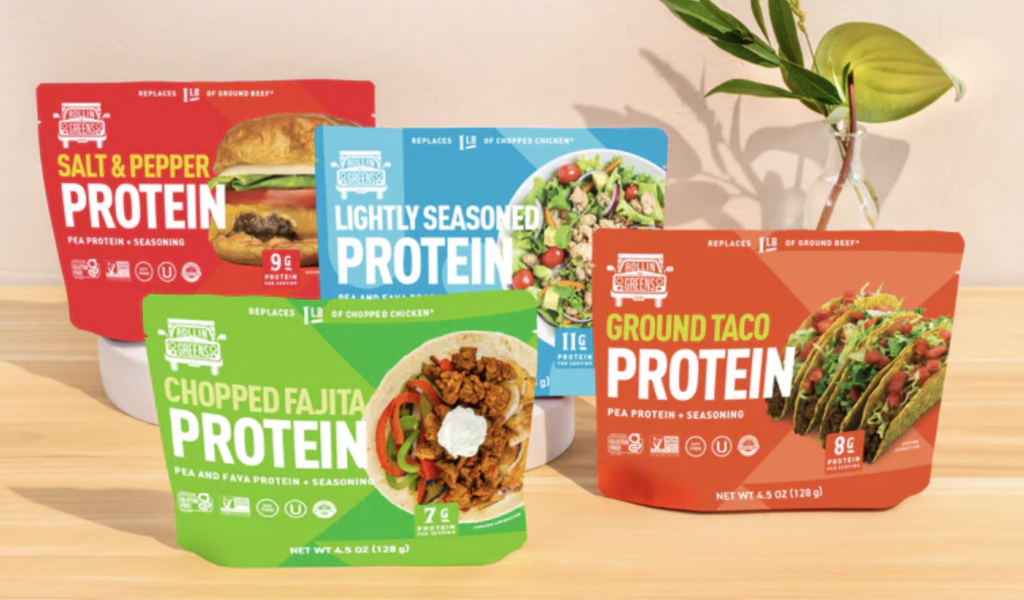
When Ryan and Lindsey Cunningham stepped onto the Shark Tank stage, they brought a great backstory and food that blew the Sharks away. But when they dropped their valuation—asking for $500,000 for 10% of Rollin’ Greens—and laid out their financials, the atmosphere in the room turned tense.
While their taste buds were happy, the Sharks’ business instincts quickly took over. Here is exactly how each Shark reacted to the pitch:
The Shark-by-Shark Breakdown
- Lori Greiner: Lori was initially the brand’s biggest cheerleader. She absolutely loved the taste of the millet tots and cauliflower wings, comparing the food’s potential to her legendary investment in Bantam Bagels. Ready to make an offer, she had just one condition: she wanted to team up with Daniel Lubetzky. When Daniel refused, Lori dropped out as well.
- Daniel Lubetzky: Despite being a massive player in the healthy snack space, Daniel wasn’t buying into the company’s trajectory. He gave them some tough love, stating that he “couldn’t save every clean food company”. He also dropped a crucial warning: pursuing food service too early could easily kill their brand.
- Mark Cuban: For Mark, it all came down to the math. He called out their heavy cash burn and low 35% gross margins as an immediate dealbreaker and swiftly declared, “I’m out.”
- Kevin O’Leary: True to form, “Mr. Wonderful” didn’t hold back. While he conceded that the food tasted “spectacular,” he cringed at their $300,000 deficit. He warned them that their business model was “cloudy,” insisting that any packaged grocery brand needs at least a 50% margin to break even, and predicted that “something bad” was going to happen to them.
- Robert Herjavec: Robert became the ultimate wildcard. While he acknowledged they lacked some structural direction, he genuinely liked the founders and their clean-eating mission. He swooped in with the lone offer on the table: $500,000 for 20% equity—effectively cutting their preferred valuation in half.
A Tense Negotiation
The climax of the pitch didn’t happen when Robert made his offer; it happened right after. Instead of celebrating, the founders hesitated. Lindsey Cunningham actually turned back to Lori Greiner and begged her to jump back into the deal.
Lori firmly declined, leaving the room in an awkward silence as the panel watched the couple visibly disagree on whether to take Robert’s money. Ultimately, Ryan convinced Lindsey to accept, and they shook hands with Robert—even though the deal would later fall through during the post-show vetting process.
| Shark | The Reaction / Offer | The Final Outcome |
| Robert Herjavec | Believed in the mission and the founders. Offered $500,000 for 20% equity. | Accepted in the Tank |
| Daniel Lubetzky | Stated he couldn’t save every clean food company and bowed out. | Out |
| Lori Greiner | Wanted to partner with Daniel; when he dropped out, she followed. | Out |
| Mark Cuban | Concerned about the cash burn and low margins. | Out |
| Kevin O’Leary | Warned that their business model was “cloudy” and going to hit a wall. | Out |
Source: https://rollingreens.com/pages/shark-tank
The Deal That Vanished (And the QVC Lifeline)
As is common in reality television, the handshake deal made on camera with Robert Herjavec ultimately never closed during post-show due diligence.
Fortunately, the “Shark Tank Effect” kept them afloat. The night their episode aired, Rollin’ Greens experienced a mind-boggling 108,000% year-over-year spike in web traffic, generating more revenue in a single evening than they had in the entire first quarter of the year. Within twelve months of airing, their sales tripled to $2.1 million.
They also found massive success on QVC. The brand sold out during multiple segments on the network and even clinched QVC’s award for Best Plant-Based Food.
“It’s kind of a weird number to even comprehend because it’s so massive. But it is what it is, and it’s amazing: the Shark Tank effect.”
— Lindsey Cunningham on their post-airing web traffic.
The Ultimate Pivot: Killing Their Best-Selling Products
Sharks almost always advise entrepreneurs to “stay focused on your core hero product.” The Cunninghams decided to ignore that advice entirely.
Despite growing their store footprint to thousands of locations, the reality of frozen food logistics caught up to them. Shipping frozen goods directly to consumers is a financial nightmare, and post-pandemic supply chain disruptions made manufacturing frozen tots even more expensive.
In a move that shocked fans, Rollin’ Greens officially discontinued their famous Millet Tots in 2022 and phased out their cauliflower wings shortly after.
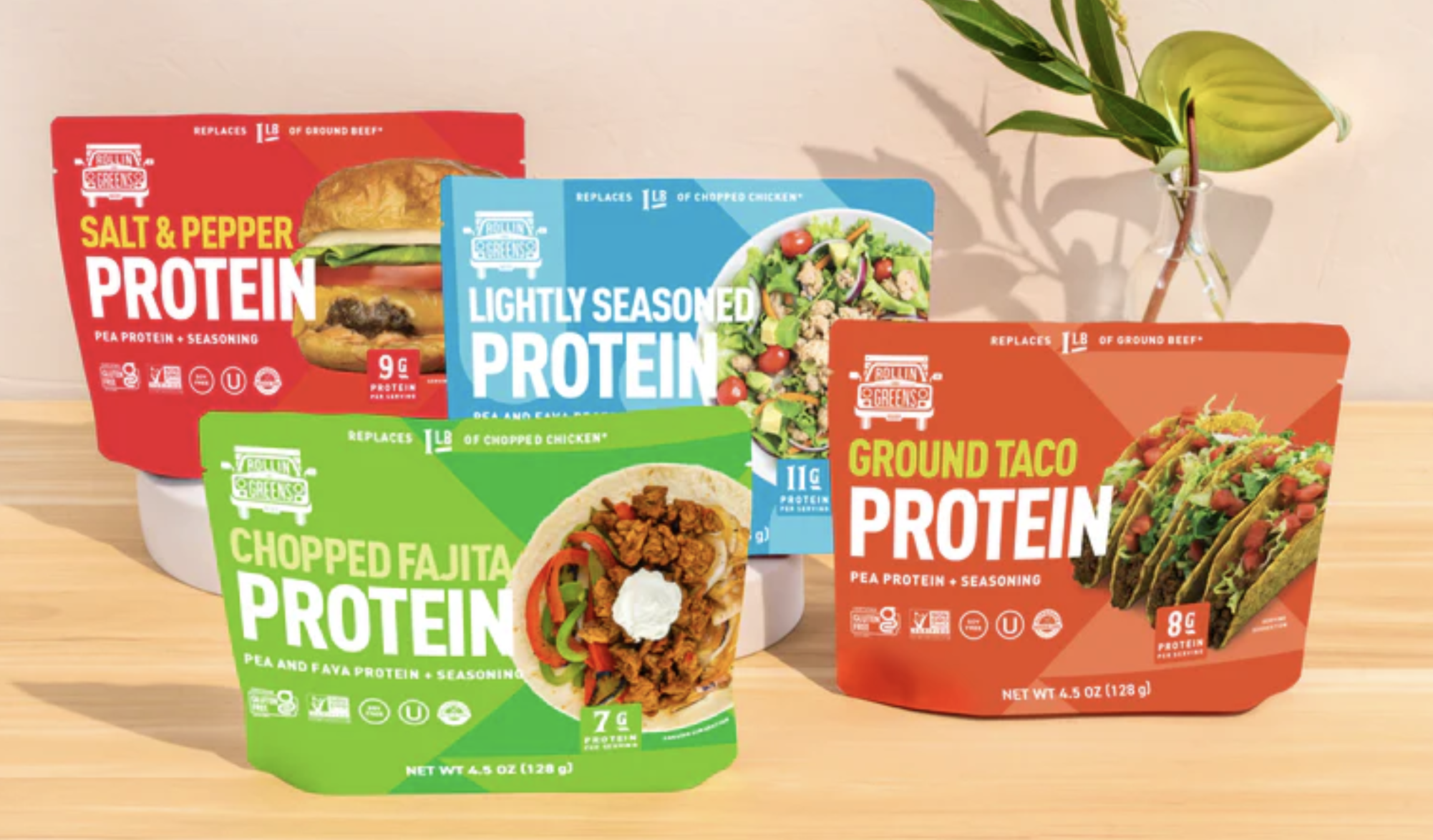
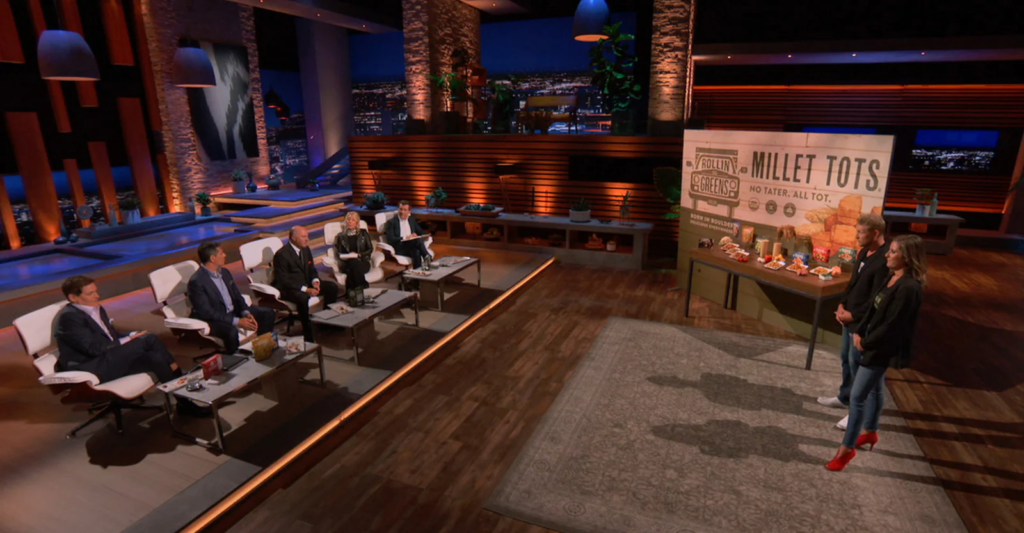
Instead, they completely overhauled the company to focus on a brand-new, highly profitable product line: shelf-stable, plant-based taco meats and meal bowls.
| The Old Business (2020) | The New Business (Current) |
| Category: Frozen Comfort Food | Category: Shelf-Stable Plant-Based Meat & Meals |
| Core Items: Millet Tots, Cauliflower Wings | Core Items: ME’EAT Ground Taco, CHIC’KEN, Meal Bowls |
| Logistics: High-cost frozen shipping & cold storage | Logistics: Lightweight, eco-friendly, shelf-stable packaging |
| Margins: Deficit-inducing 35% | Margins: Increased by 25% through manufacturing optimization |
Where Are They Now?
By eliminating the frozen food supply chain, Rollin’ Greens finally solved the margin crisis that scared off the Sharks. Their new lines of pea-protein-based ground taco meat (ME’EAT) and chopped fajita chicken (CHIC’KEN) became instant hits on platforms like Thrive Market and Weight Watchers.
The company expanded its lineup to include convenient “Grab and Go” plant-powered rice bowls. Their bold pivot earned them a Best New Product Award by BrandSpark and features in major publications like Newsweek.
Today, Rollin’ Greens products are stocked in over 4,000 to 5,000 retail locations nationwide—including Whole Foods, Walmart, and Sprouts—with steady annual revenues reaching $4 million to $5 million. They proved that sometimes, walking away from the product that made you famous is the only way to truly scale your business.